30min
Strength
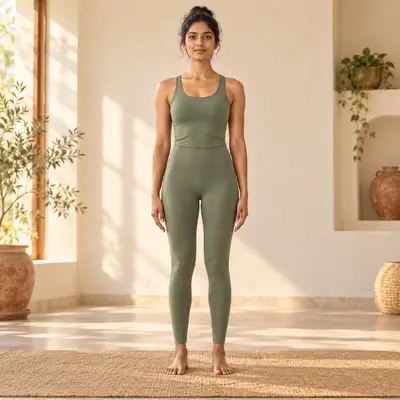
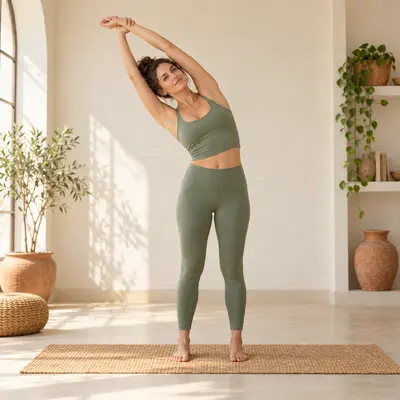
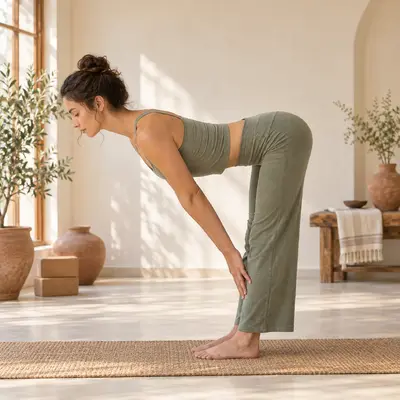
Standing Yoga for Leg Strength
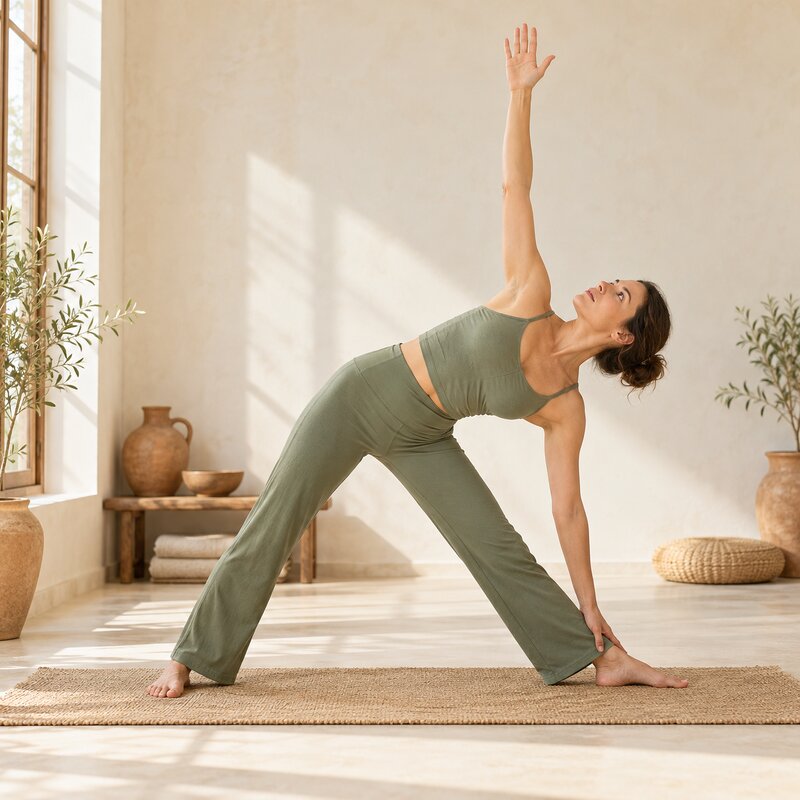
Revisit Chair, Triangle and the warrior poses in a half-hour practice with a squat, seated fold and rest.
Beginner · 21 poses
IyengarSay it: eye-YEN-gar
A precise, alignment-focused style that uses props and detailed instruction to make every pose safe and accessible.
Iyengar yoga is known for its precision. Rather than flowing quickly, you learn exactly where to place your feet, how to lengthen your spine and how to use a block, strap or chair so the pose works for your body. It is detailed, thoughtful and deeply educational.
Iyengar yoga is the method taught by B. K. S. Iyengar. It emphasises precise alignment, carefully sequenced poses and props, so that poses can be practised safely by people of all abilities.
B. K. S. Iyengar was a student of T. Krishnamacharya and began teaching in Pune, India, in the 1930s. Over decades he developed a systematic approach to posture and breath, and pioneered the use of props so that students of every age and ability — including those with injuries — could practise. His book Light on Yoga, published in 1966, introduced hundreds of poses to readers worldwide. Iyengar teachers complete a long and rigorous certification process.
Precise and educational. Expect demonstrations, careful alignment cues and plenty of props such as blocks, straps, chairs and wall ropes.
Pace: Methodical — poses are held for longer and refined with detailed instruction.
Careful alignment and longer holds build strength, flexibility, balance and body awareness. Props make poses accessible, which can help people with stiffness, injuries or limited mobility practise safely. Research on Iyengar-based programmes has shown encouraging results for back and neck pain.
The method of B. K. S. Iyengar (1918–2014), whose book Light on Yoga (1966) became one of the most influential yoga books ever written.
Revisit Chair, Triangle and the warrior poses in a half-hour practice with a squat, seated fold and rest.
An extended Hatha practice that revisits standing balances and strength work before a gradual floor-based finish.
Iyengar classes can include long holds and inversions. Work within your limits, use the props offered, and tell your teacher about any injuries, high blood pressure, eye conditions or pregnancy so poses can be adapted.
Educational guidance, not medical advice. Classes vary widely between teachers — ask about the level and pace before you join.
Props help each student find correct alignment, hold poses longer and practise safely regardless of flexibility or injury.
Yes. The detailed instruction makes it one of the best ways to learn poses safely.
Some studies of Iyengar-based programmes have shown improvements in chronic back pain. See a doctor first, and choose an experienced teacher.
Iyengar is a specific method within the hatha tradition, with a strong focus on alignment, props, sequencing and rigorous teacher training.