दण्डासन
Staff Pose
Dandasana is to seated poses what Mountain is to standing poses: an active, upright base. It looks simple but builds real postural strength.

- Hold
- 5–10 breaths
- Level
- Beginner
- Family
- Seated, seated
- Focus
- Upright seated posture
- Works
- Back
- Hamstrings
- Core
- You’ll need
- Folded blanket under hips, Blocks under hands
- Found in
- Hatha, Gentle
- “Spine tall like a staff”
- “Feet active”
- “Hands press, chest lifts”
Step by step
How to do Staff Pose
StartSit with legs extended in front of you.
- 1
Sit on a folded blanket with legs extended together.
- 2
Flex the feet, toes pointing up.
- 3
Press the backs of the thighs down and engage the legs.
- 4
Place hands beside the hips, fingers forward.
- 5
Press down through the hands to lift the spine tall.
- 6
Broaden the collarbones and keep the chin level.
- Out
Coming out. Relax the legs and shake them out.
Breath
Steady, natural breathing with a lifted chest.
Focus
Upright seated posture
Why practise it
Strengthens back muscles and improves seated posture.
Go deeper
Staff Pose: what to know
The Mountain Pose of seated postures
Dandasana means staff or rod, and the image is a straight, upright spine above two active legs. Nothing about it looks difficult, yet many people find that they cannot sit upright with straight legs on the floor. Tight hamstrings pull the pelvis backward and the lower back rounds as a result. Learning to tilt the pelvis forward here gives you the same starting position for every seated fold and twist.
How to do Staff Pose
- Sit with the legs straight out in front, on a folded blanket if the lower back rounds
- Move the flesh of the buttocks out to the sides so you sit on the sitting bones
- Flex the feet so the toes point up, and press through the heels
- Firm the thighs and press them gently down, without locking the knees
- Place the hands beside the hips, fingers forward, and press down to lift the chest
- Keep the shoulders over the hips and the chin level, and hold for 5 to 10 breaths
If your lower back rounds
- Sit on one or two folded blankets until the pelvis can tilt forward
- Bend the knees slightly, with a rolled blanket underneath if that helps
- Sit with your back against a wall to feel the upright line
- Put blocks under your hands if your arms are short for the lift
What Staff Pose works
The muscles along the spine work to hold you upright, the thighs stay active, and the backs of the legs lengthen gently. It is a useful place to check your posture before Seated Forward Fold, Head-to-Knee or Boat Pose. If you can keep this shape, you will fold from the hips in those poses instead of rounding from the waist.
Who should take care
With lower-back sensitivity, sit high and bend the knees so the spine is not forced to round. Go gently with a recent hamstring injury, and ease the hand press if your wrists are sore by using fists or blocks. If you have a disc problem, follow the advice of your clinician on long seated positions.
Alignment
Cues & common mistakes
Aim for Shoulders over hips; spine vertical; legs active.
Teacher’s cues
- “Spine tall like a staff”
- “Feet active”
- “Hands press, chest lifts”
Watch out for
Slumping back onto the tailbone and locking the knees.
Make it yours
Easier, harder, supported
Sit higher and bend the knees if the lower back rounds.
- Arms overhead (Urdhva Hasta Dandasana)
- Folded blanket under hips
- Blocks under hands
In a sequence
Where it fits in a flow
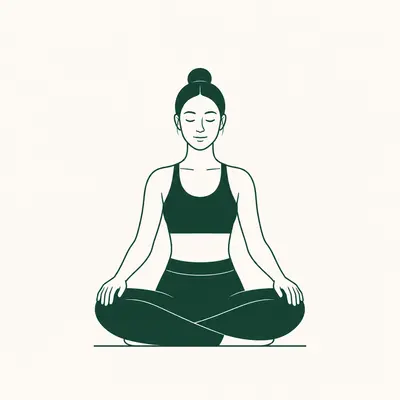 BeforeEasy Seat
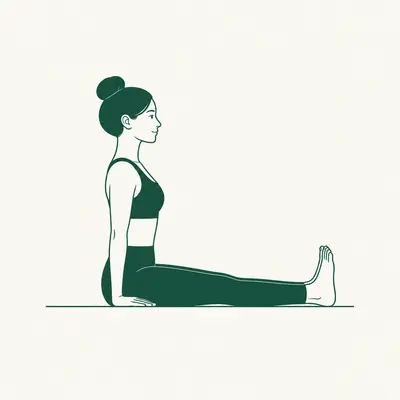 This poseStaff Pose
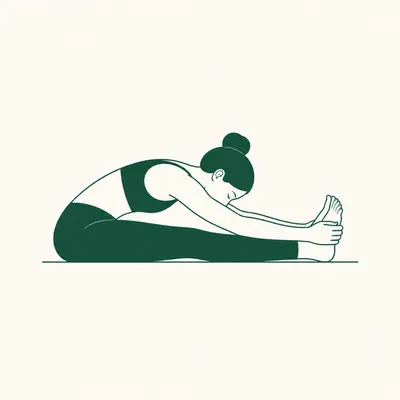 AfterSeated Forward Fold
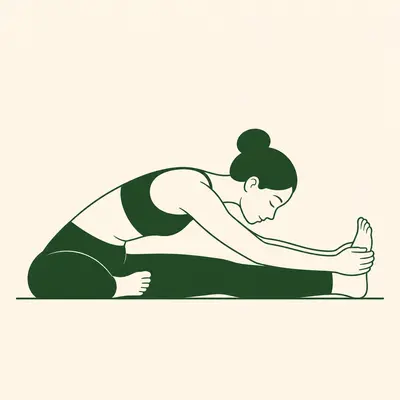 AfterHead-to-Knee Pose
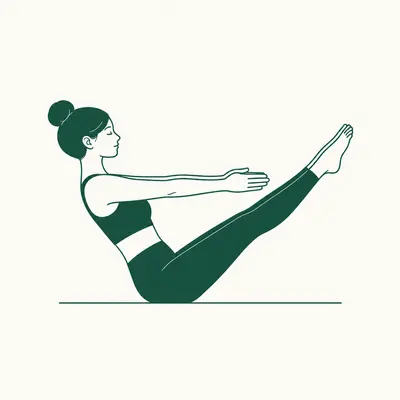 AfterBoat Pose
Good to know
Questions
Why is Staff Pose so hard?
Tight hamstrings pull the pelvis backward, which rounds the lower back. Sitting on a folded blanket usually helps straight away.
What are the benefits of Dandasana?
It strengthens the muscles along the spine, gently stretches the backs of the legs, and teaches an upright seated posture.
Should my legs be completely straight?
Only if your back can stay long. Bend the knees a little if the lower back rounds.
Where should my hands go?
Beside the hips with the fingers pointing forward. Press down to help lift the chest.
How long should I hold Staff Pose?
5 to 10 breaths is plenty, either alone or as a pause before seated forward folds.
Danda means staff or rod; the seated reference posture in Ashtanga.
What helps
Props that make this easier
- Non-slip yoga mat A 4–6 mm mat with good grip makes standing poses steadier. View on Amazon
- Cork yoga block Brings the floor closer in forward folds and supported poses. View on Amazon
- Cotton yoga strap Extends your reach in hamstring and shoulder stretches. View on Amazon
As an Amazon Associate, YogiSoul earns from qualifying purchases. Links open Amazon in your country’s store.


