
10min
Relaxation
Yin: A Quiet Beginning
A short introduction to supported floor holds, with pauses between shapes.
Beginner · 8 poses
YinSay it: YIN
A quiet, floor-based style where you relax into a few poses for several minutes each — slow, meditative and deeply stretching.
Yin is the quiet counterpart to busy, flowing yoga. Instead of moving through many poses, you settle into just a few — mostly seated or lying — and stay there for several minutes, letting your muscles soften. The stretch builds slowly, and so does a sense of stillness.
Yin yoga uses long, passive holds in seated and lying poses, usually three to five minutes each, with muscles relaxed. The aim is gentle, sustained stretching and stillness.
Yin yoga was developed in the late twentieth century. Martial artist and Taoist yoga teacher Paulie Zink taught long-held floor postures in the 1970s and 80s; his student Paul Grilley and Grilley’s student Sarah Powers shaped and popularised the style, naming it ‘Yin’ after the Taoist principle of stillness and receptivity. Yin poses often have their own names — Butterfly, Dragon, Caterpillar — to emphasise the different, relaxed approach compared with their active yoga counterparts.
Quiet and still. You settle into each pose with minimal muscular effort, often with props, and stay there while the teacher guides your attention.
Pace: Very slow — a handful of floor poses, each held for three to five minutes or more.
Long holds give you time to release tension and gently increase range of motion. Many people find yin calming and helpful for sleep, and it offers a practical way to practise mindfulness in the body. Teachers often describe yin as targeting fascia and connective tissue; research on this specific claim is still limited.
A contemporary style shaped by Paulie Zink, Paul Grilley and Sarah Powers from the late twentieth century, drawing on Taoist ideas of yin and yang.
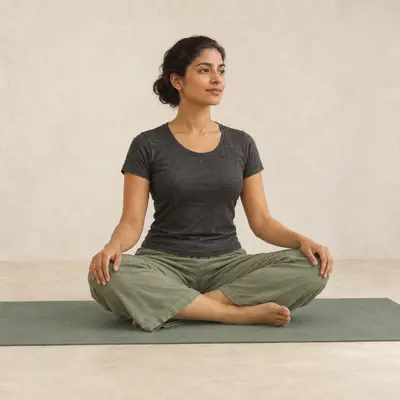
A short introduction to supported floor holds, with pauses between shapes.
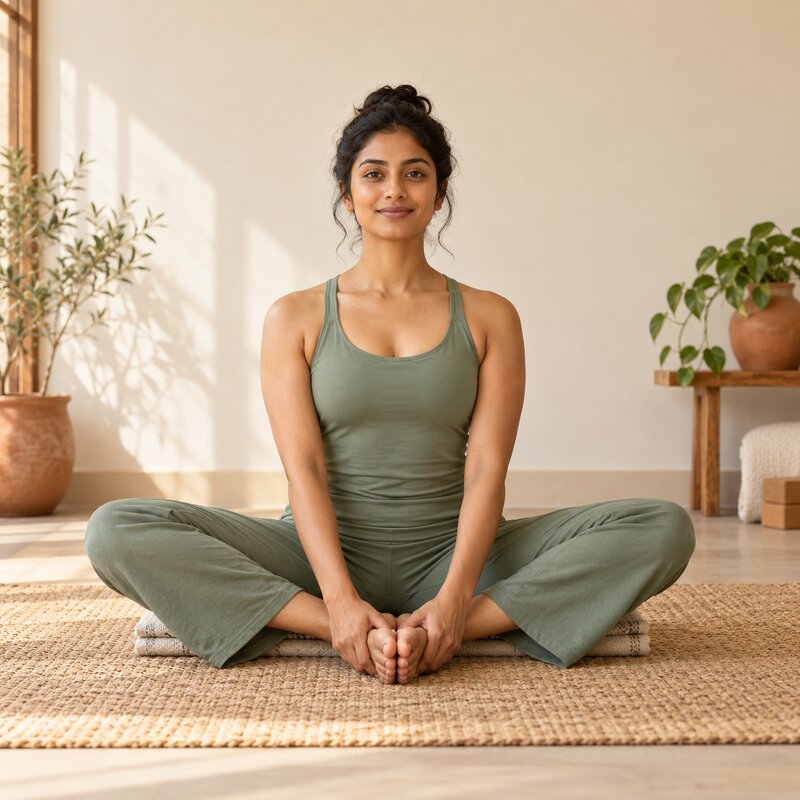
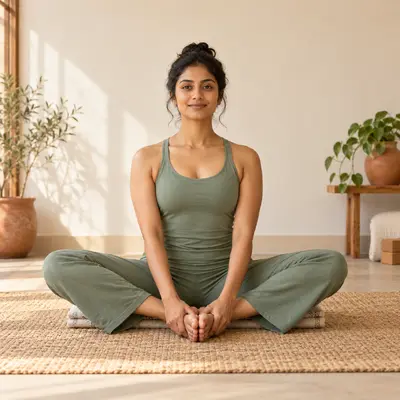
Settle into Bound Angle, a supported fold and gentle twists, without rushing between them.
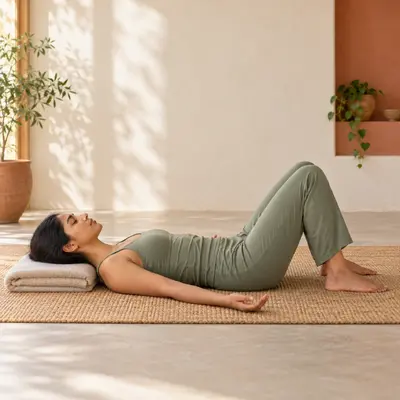
A spacious floor practice with gentle two-minute holds, supported pauses and a longer rest.
Long holds can stress joints and ligaments if you go too deep. Stay at a moderate stretch, keep the breath easy, and come out at once if you feel sharp pain, numbness or tingling. If you are very flexible, use props to avoid hanging at the end of your range.
Educational guidance, not medical advice. Classes vary widely between teachers — ask about the level and pace before you join.
Usually three to five minutes, and sometimes longer. Beginners can start with one to two minutes.
Yin aims for a gentle but noticeable stretch. Restorative fully supports the body with props so there is little or no stretch — the goal is deep rest.
Yes. The long, relaxed holds help you gradually increase your range of motion, especially in the hips and spine.
Many people do a short yin practice daily, especially in the evening. Keep the stretch moderate and vary the poses.
Try a short supported practice with one- or two-minute holds. Leave each shape slowly and pause in a neutral position. Stay responsive to sensation rather than waiting for a bell.