10min
Mobility
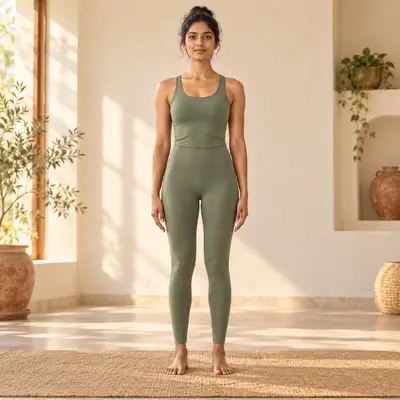
Hatha: First Steps
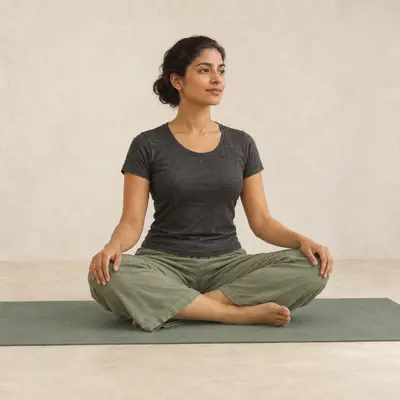
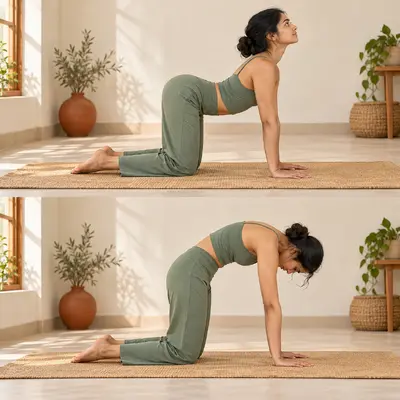
Learn a few familiar shapes with time to settle, change sides and rest.
Beginner · 10 poses
HaṭhaSay it: HAH-tuh
A steady, posture-by-posture style of yoga that balances movement, breath and relaxation — the best-known starting point for beginners.
If you have ever taken a general yoga class, there is a good chance it was hatha. The word covers almost every physical style of yoga, but on a studio timetable it signals something specific: a calm, unhurried class that teaches poses one at a time, links them with steady breathing and ends with deep relaxation. That makes it one of the most welcoming places to begin.
Hatha yoga is the physical branch of yoga — postures, breathing and relaxation. In today's studios, a ‘hatha class’ usually means a slower-paced class where poses are taught and held one at a time.
Haṭha means ‘force’ or ‘effort’ in Sanskrit, and the tradition is often explained through its two syllables — ha (sun) and ṭha (moon) — a reminder that the practice aims to balance opposing energies. Hatha methods were recorded in medieval texts, most famously the Hatha Yoga Pradipika, written by Svatmarama around the fifteenth century. These texts describe postures, breath control, cleansing practices and meditation as preparation for spiritual awakening. Most modern styles — vinyasa, Iyengar, Ashtanga and more — grew out of this physical tradition in the twentieth century.
Time to learn each pose properly, with clear instructions, rests between poses and a long relaxation at the end.
Pace: Slow and steady — each pose is set up, held for several breaths, then released.
Regular hatha practice can improve flexibility, balance and muscular strength, and the slow pace makes it easier to learn good alignment. The emphasis on breathing and relaxation may help you feel calmer; studies on gentle yoga suggest benefits for stress, sleep and back pain, although results vary from person to person.
In the classical texts hatha is a whole system of physical and breathing practice; in modern studios the word usually means a slower, foundational posture class.
Learn a few familiar shapes with time to settle, change sides and rest.
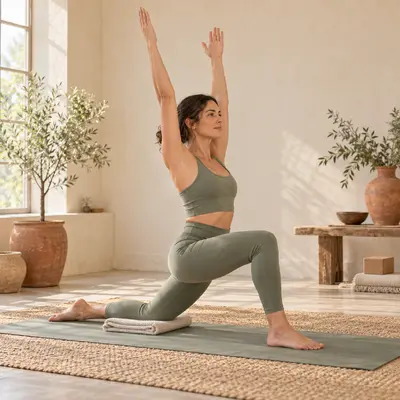
An unhurried practice of lunges, standing poses and floor work, with a quiet finish.
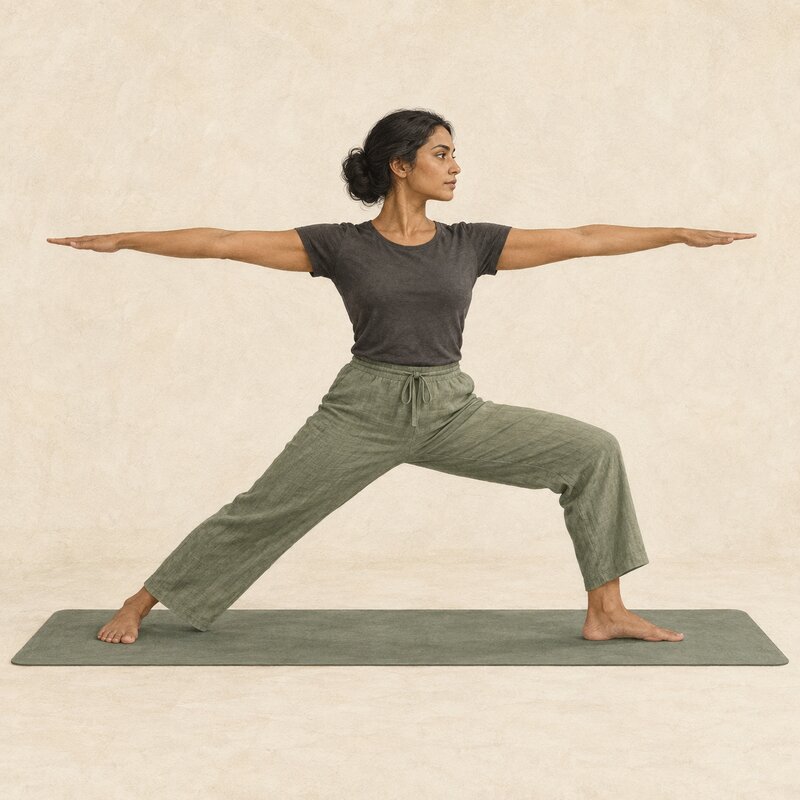
Build a steady base through Chair, Warriors and Tree before returning to the floor.
Hatha is generally gentle, but every pose has limits. Move slowly, never force a stretch, and come out of a pose if you feel sharp pain, numbness or dizziness. If you are pregnant or managing an injury or health condition, check with your doctor and tell your teacher.
Educational guidance, not medical advice. Classes vary widely between teachers — ask about the level and pace before you join.
Yes. Its slower pace, clear instructions and longer holds make hatha one of the best styles for learning the basics safely.
Hatha holds poses one at a time with rests between them. Vinyasa links poses into a continuous flow timed to the breath, so it is usually faster and more aerobic.
Two or three sessions a week is a good start. Even fifteen minutes at home on other days helps you progress.
Hatha builds strength and body awareness, but it burns fewer calories than faster styles. It works best alongside other activity and healthy eating.