
- Home
- Yoga styles
- Kundalini Yoga
Kundalini Yoga
KuṇḍalinīSay it: koon-dah-LEE-nee
A practice combining repetitive movement, strong breathwork, chanting and meditation — focused on energy and awareness more than posture.
- IntensityModerate — breathwork can be intense
- PaceVaried: repetitive movements and breathing exercises alternate with stillness, chanting and meditation.
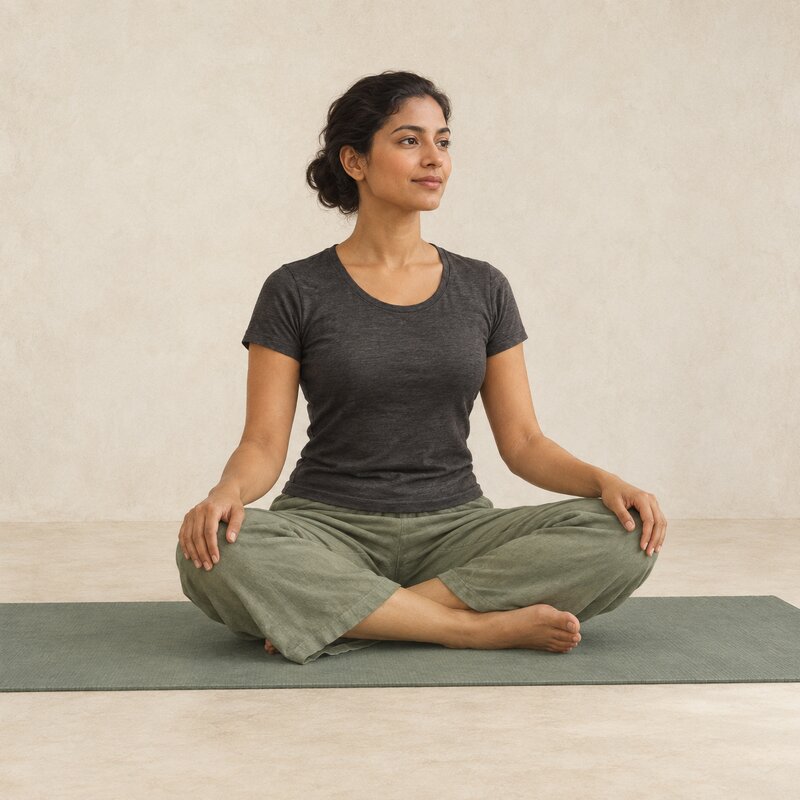
Kundalini yoga looks quite different from most posture classes. Alongside simple movements you will find energetic breathing, chanting and meditation, arranged into sequences called kriyas. The emphasis is less on how a pose looks and more on how the practice feels and shifts your energy and attention.
What is Kundalini Yoga?
Kundalini yoga combines repetitive movements, breathing techniques, mantra and meditation in set sequences called kriyas. It focuses on energy and awareness more than on physical postures.
Origins
In tantric and hatha traditions, kuṇḍalinī describes a dormant energy pictured as coiled at the base of the spine, which practice is said to awaken and draw upward through the chakras. As a modern class style, Kundalini Yoga is mainly associated with Harbhajan Singh Khalsa, known as Yogi Bhajan, who began teaching in the United States in 1969. In 2020 an independent investigation reported serious misconduct allegations against him, and many teachers and organisations have since reconsidered how the practice is presented. The traditional concept of kundalini is far older than any one teacher.
What happens in a class
Structured sets called kriyas, combining movement, breath, sound and meditation. Many classes begin and end with a chant.
- Tuning in with a short chant.
- A warm-up of spinal flexes and simple movements.
- A kriya: a set sequence of movements, postures and breathing held for set times.
- Relaxation lying down.
- Meditation, often with mantra or a mudra.
- Closing song or chant.
Pace: Varied: repetitive movements and breathing exercises alternate with stillness, chanting and meditation.
Who it suits
A good fit for
- People interested in breathwork, mantra and meditation
- Those who want a spiritual dimension to their practice
- Practitioners who prefer simple movements to complex poses
Take care if
- Breath of Fire and long breath holds are not suitable during pregnancy or with high blood pressure, heart conditions, epilepsy or a history of panic attacks
- Intense breathwork can cause light-headedness — slow down or stop if you feel dizzy
- People with a history of trauma or psychiatric conditions should seek guidance; intense practices can bring up strong experiences
Benefits
Kundalini combines movement, breathing and meditation, which many people find energising and calming at the same time. Studies on Kundalini-based programmes have looked at stress, mood and sleep, with some promising early results, but the evidence is still limited.
Poses you will often meet
Breathing techniques
Your first class
- Join in with the chanting only if you are comfortable — listening is fine.
- Take Breath of Fire gently, or breathe normally if it feels too strong.
- Sit on a cushion so you can keep your spine upright with ease.
- It is fine to rest during long repetitions.
- Loose, comfortable clothing (many practitioners wear white, but it is not required)
- A mat and a cushion or blanket to sit on
- Water
Kundalini is an ancient tantric idea; ‘Kundalini Yoga’ as a class style is mostly associated with the system taught in the West by Yogi Bhajan from 1969.
Safety
Kundalini classes often include rapid breathing, breath retention and long repetitions. Practise these gently, stop if you feel dizzy or distressed, and avoid intense breathwork if you are pregnant or have heart, blood-pressure or seizure conditions. Seek guidance if you have a history of trauma or mental-health conditions.
Educational guidance, not medical advice. Classes vary widely between teachers — ask about the level and pace before you join.
Questions
What is Breath of Fire?
A rapid, rhythmic breath through the nose with equal emphasis on inhale and exhale, powered by the navel. It is similar to Kapalabhati and should be learned gently.
Do I have to chant in Kundalini yoga?
No. Listening quietly is always fine, and you can join in when and if it feels right.
Is Kundalini yoga safe?
For most people, yes, when practised gently. Intense breathwork and long holds are not suitable for everyone — see the safety notes above.
What does ‘kundalini awakening’ mean?
In the tradition, it describes energy rising through the chakras, leading to spiritual awakening. It is a spiritual concept rather than something science has measured.