
30min
Strength
Standing Yoga for Leg Strength
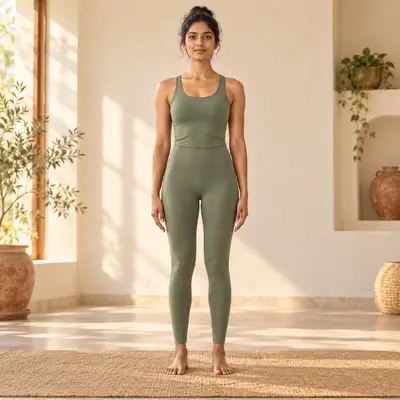
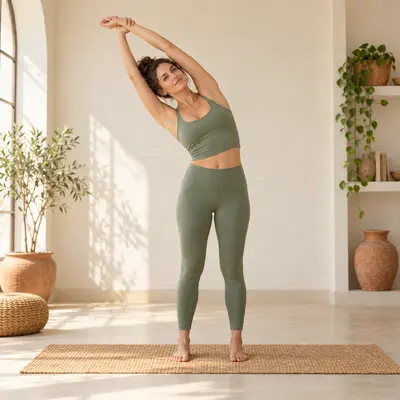
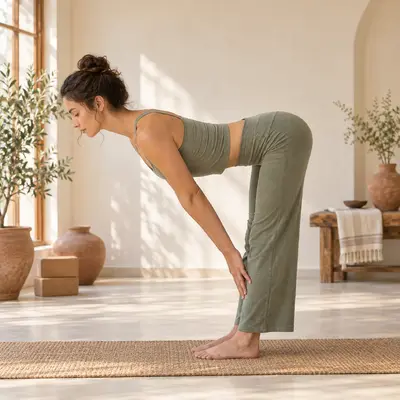
Revisit Chair, Triangle and the warrior poses in a half-hour practice with a squat, seated fold and rest.
Beginner · 21 poses
Śakti (strength)Say it: SHUCK-tee
An athletic, fitness-focused style of flowing yoga that builds strength, stamina and heat.
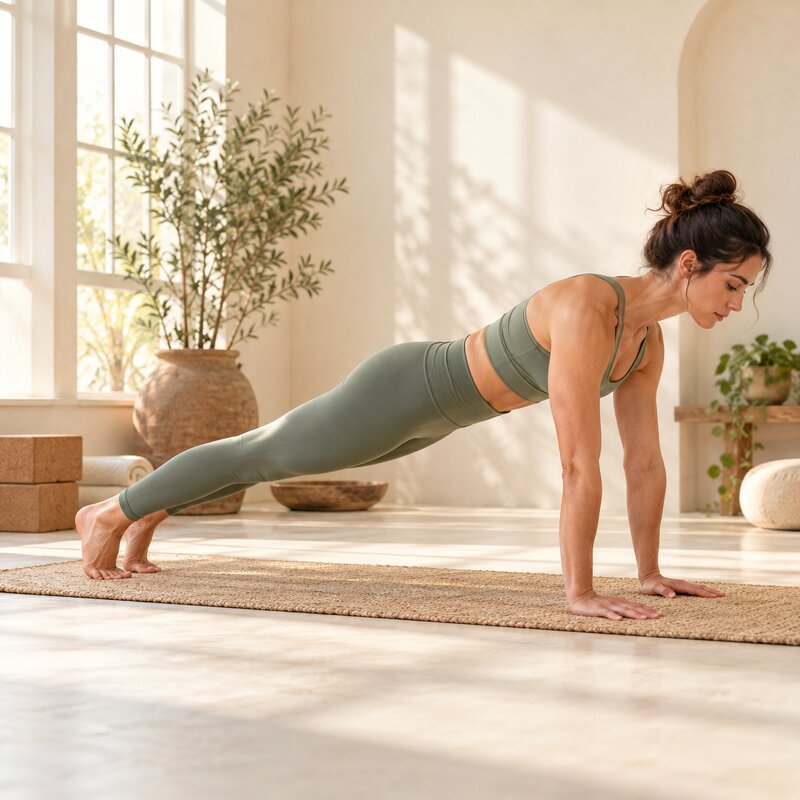
Power yoga brings the strength and stamina of Ashtanga into a freer, fitness-focused format. Expect to sweat: classes move quickly, include strong holds and often feel more like a workout than a quiet practice — while still using the breath to guide the movement.
Power yoga is a vigorous, fitness-oriented style of flowing yoga that grew out of Ashtanga. It is not a set sequence — each teacher creates their own strong, athletic flow.
In the 1990s American teachers who had trained in Ashtanga, including Beryl Bender Birch in New York and Bryan Kest in Los Angeles, began offering vigorous classes without the fixed Ashtanga sequence. The name ‘power yoga’ helped introduce yoga to gyms and people who thought of it as purely gentle. Today the term is used widely, and classes vary a lot.
A dynamic, workout-style flow, often to music and sometimes in a heated room. Sequences vary with the teacher.
Pace: Fast and continuous, with strength holds and challenging transitions.
Power yoga builds muscular strength and endurance, especially in the core, legs and shoulders, while improving flexibility. Its pace raises the heart rate, giving it a cardiovascular element that slower styles lack.
A Western style developed in the 1990s from Ashtanga by teachers including Beryl Bender Birch and Bryan Kest. It is not one fixed sequence or certification.
Revisit Chair, Triangle and the warrior poses in a half-hour practice with a squat, seated fold and rest.
A longer standing practice with repeated warrior poses and balancing work, followed by a gradual return to the floor.
Power yoga is demanding. Warm up properly, choose knee-down options until you are strong enough, stay hydrated, and stop if you feel dizzy or unwell. Seek medical advice before heated classes if you have heart or blood-pressure conditions or are pregnant.
Educational guidance, not medical advice. Classes vary widely between teachers — ask about the level and pace before you join.
It is one of the more energetic yoga styles and can support weight management as part of an active lifestyle and healthy diet.
Both flow with the breath. Power yoga is usually faster, stronger and more fitness-focused; vinyasa ranges from gentle to strong.
Not necessarily. Some studios teach power yoga in a heated room, but many do not.
Reasonably fit beginners can, especially in a level 1 class. If you are new to exercise, start with a slower style.