Plank Pose
Plank builds the strength needed for arm balances and vinyasa transitions.
- Level
- Intermediate
- Hold
- 3–10 breaths
- Focus
- Core and arm strength
- Steps
- 5 cues · ~1 min

- One long line
- Push the floor away
Step by step
How to do Plank Pose
StartBegin in Tabletop.
- 1
From Tabletop, step the feet back one at a time.
- 2
Hands under shoulders, fingers spread.
- 3
Form a straight line from head to heels.
- 4
Draw the navel in; press the floor away.
- 5
Press back through the heels.
- ↩
Coming out. Lower the knees to the mat, or lower down to Chaturanga.
Breath
Steady breaths; avoid holding.
Focus
Core and arm strength
Why practise it
Builds core, shoulder and arm strength.
Alignment
Cues & common mistakes
Aim for Shoulders over wrists; hips in line with shoulders and heels.
Teacher’s cues
- “One long line”
- “Push the floor away”
Watch out for
Hips sagging or piking; shoulders collapsing.
Make it yours
Easier, harder, supported
Kneeling Plank; forearm Plank.
- Side Plank
- Leg lifts
- Yoga mat
In a sequence
Where it fits in a flow
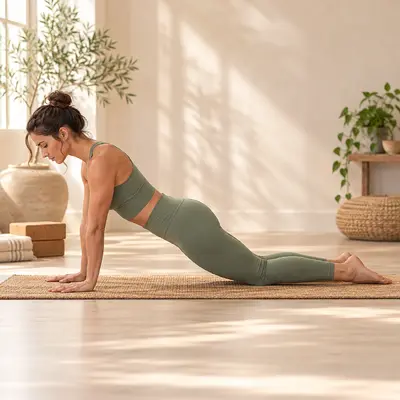 BeforeKneeling Plank
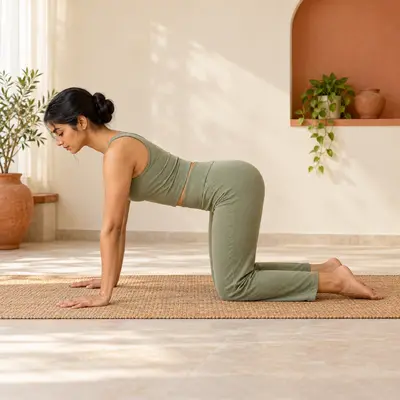 BeforeTabletop
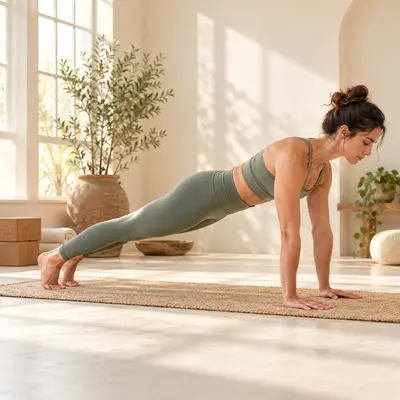 This posePlank Pose
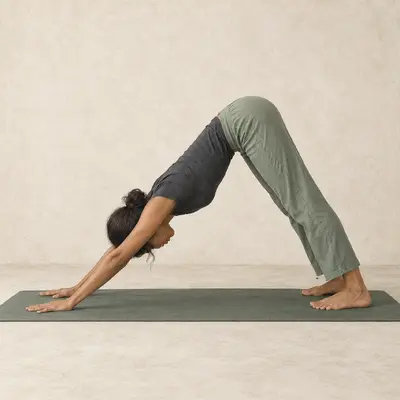 AfterDownward-Facing Dog
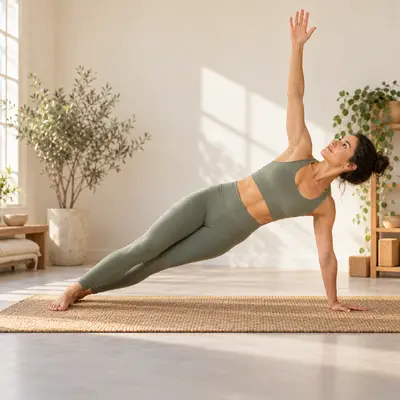 AfterSide Plank
Good to know
Questions
How long should I hold Plank?
Hold with good form; quality matters more than duration.
Phalaka means plank or board; a modern vinyasa staple.
What helps
Props that make this easier
- Non-slip yoga mat A 4–6 mm mat with good grip makes standing poses steadier. View on Amazon
- Cork yoga block Brings the floor closer in forward folds and supported poses. View on Amazon
- Cotton yoga strap Extends your reach in hamstring and shoulder stretches. View on Amazon
As an Amazon Associate, YogiSoul earns from qualifying purchases. Links open Amazon in your country’s store.
Keep exploring