उष्ट्रासन
Camel Pose
Ustrasana is a deep backbend from kneeling. Keeping hands on the lower back is a complete, safe version.

- Hold
- 3–5 breaths
- Level
- Intermediate
- Family
- Backbend, kneeling
- Focus
- Deep chest opening
- Works
- Chest
- Hip flexors
- Quads
- Shoulders
- You’ll need
- Blocks beside the feet, Blanket under knees
- Found in
- Hatha
- “Chest up, not head back”
- “Hips forward”
Step by step
How to do Camel Pose
StartKneel with knees hip-width apart.
- 1
Kneel with knees hip-width, thighs vertical.
- 2
Place hands on the lower back, fingers down.
- 3
Lift the chest and draw the elbows toward each other.
- 4
Keep the hips over the knees.
- 5
If comfortable, reach the hands to the heels or blocks.
- 6
Keep the neck long; let the head follow only if comfortable.
- Out
Coming out. Bring hands to the lower back, lead with the chest and rise slowly; rest in Child's Pose.
Breath
Steady breaths; do not hold.
Focus
Deep chest opening
Why practise it
Opens the chest, shoulders, abdomen and the fronts of the hips and thighs, and strengthens the back. It counters the forward rounding of sitting and is one of the most energising backbends.
Go deeper
Camel Pose: what to know
Four stages of Camel
- Hands on the lower back, fingers pointing down, lifting the chest up and slightly back
- Toes tucked under, so the heels are higher and easier to reach
- Hands on blocks placed beside the ankles
- Full Camel: hands on the heels with the tops of the feet flat
- Every stage is the complete pose; stay at the one where the chest still lifts
Protecting the neck and lower back
Lift the chest towards the ceiling first, as if leaning back over a high bar, and keep the hips over the knees. Keep the chin slightly tucked to begin with; only let the head release back if the neck is comfortable and the throat is soft. Pressing the shins into the floor and drawing the lower belly in gently keeps the bend spread through the upper back rather than crunched at the waist.
Coming out and counterposes
Come up slowly, leading with the chest and lifting the head last, one hand at a time if needed. Then rest in Child’s Pose for several breaths. Deep backbends change blood flow and stimulate the nervous system, so feeling a little dizzy, energised or emotional afterwards is common.
Alignment
Cues & common mistakes
Aim for Hips over knees; lift through the chest first.
Teacher’s cues
- “Chest up, not head back”
- “Hips forward”
Watch out for
Dropping the head straight back; collapsing into the lower back instead of lifting the chest; pushing the hips back behind the knees; and coming up too quickly.
Make it yours
Easier, harder, supported
Hands on lower back; toes tucked; blocks.
- Supported Camel
- Blocks beside the feet
- Blanket under knees
In a sequence
Where it fits in a flow
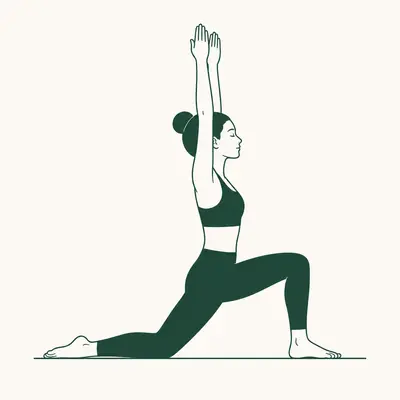 BeforeLow Lunge
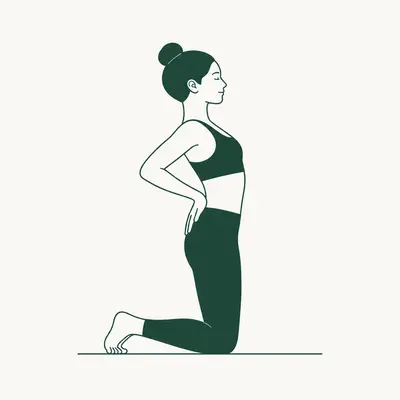 BeforeSupported Camel Variation
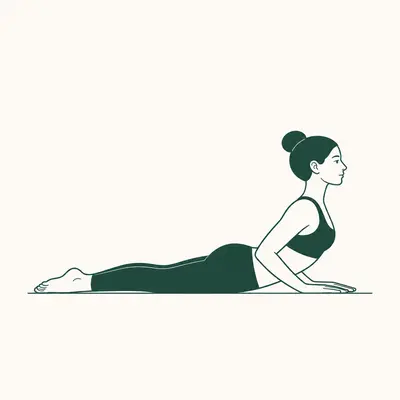 BeforeCobra Pose
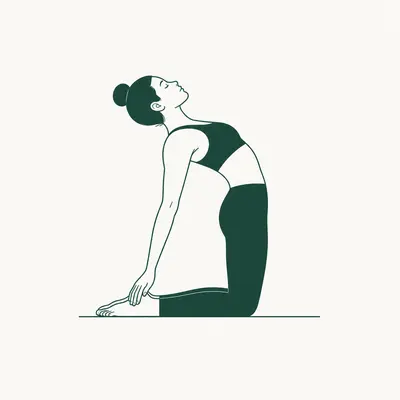 This poseCamel Pose
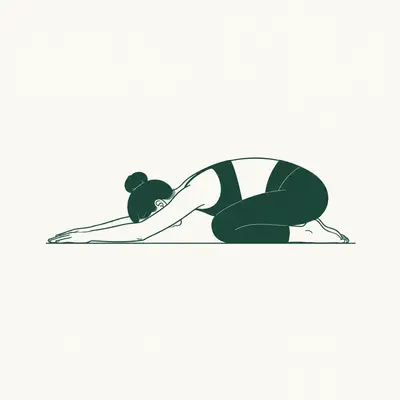 AfterChild’s Pose
Good to know
Questions
Why do I feel dizzy in Camel?
Deep backbends change blood flow. Come out slowly and rest.
Why does Camel Pose make me emotional?
Strong chest-opening poses can bring up feelings for some people. That is common and usually passes; rest in Child’s Pose and breathe.
How long should I hold Camel Pose?
Three to five breaths, repeated two or three times, is enough.
What should I do after Camel Pose?
Rest in Child’s Pose, then try a gentle forward fold or twist to neutralise the spine.
Is Camel Pose good for beginners?
Yes, with the hands on the lower back. The full pose with hands on the heels can come later.
Ustra means camel.
What helps
Props that make this easier
- Non-slip yoga mat A 4–6 mm mat with good grip makes standing poses steadier. View on Amazon
- Cork yoga block Brings the floor closer in forward folds and supported poses. View on Amazon
- Cotton yoga strap Extends your reach in hamstring and shoulder stretches. View on Amazon
As an Amazon Associate, YogiSoul earns from qualifying purchases. Links open Amazon in your country’s store.
More backbend poses
All backbend poses
Wheel Pose
Urdhva Dhanurasana

Cat–Cow
Marjaryasana–Bitilasana

Bridge Pose
Setu Bandha Sarvangasana