ऊर्ध्व धनुरासन
Wheel Pose
Wheel is an advanced backbend. Practise only when Bridge, Camel and shoulder openers feel comfortable, ideally with a teacher.

- Hold
- 3–5 breaths
- Level
- Advanced
- Family
- Backbend, supine
- Focus
- Full backbend
- Works
- Shoulders
- Chest
- Hip flexors
- Back
- Wrists
- You’ll need
- Blocks against a wall
- Found in
- Hatha
- “Feet parallel”
- “Elbows hug in”
Step by step
How to do Wheel Pose
StartLie on your back with knees bent.
- 1
Lie on your back, feet hip-width and close to the hips.
- 2
Place hands beside the ears, fingers pointing toward the shoulders.
- 3
Press into the feet and lift the hips (Bridge).
- 4
Press into the hands and lift onto the crown of the head; pause and align elbows.
- 5
Straighten the arms to lift the head off the floor.
- 6
Keep knees and feet parallel.
- Out
Coming out. Tuck the chin, bend the elbows and lower slowly onto the back of the head and spine.
Breath
Keep breathing steadily.
Focus
Full backbend
Why practise it
Strengthens the arms, shoulders, legs, glutes and back, and opens the chest, shoulders and the fronts of the hips. Many people find it energising. It is a strong pose that needs open shoulders as much as a flexible back.
Go deeper
Wheel Pose: what to know
Build up to Wheel
- Bridge Pose, held comfortably for a minute
- Camel and Bow Pose for the front of the body
- Shoulder openers such as Puppy Pose and Dolphin
- Low Lunge for the hip flexors
- Warm up well first; Wheel is usually done near the end of a practice
Pressing up in stages
- Lie on your back with the knees bent and the feet hip-width apart, close to the buttocks
- Place the hands by the ears, fingers pointing towards the shoulders, elbows pointing up
- Press into the feet and lift the hips into Bridge
- Press into the hands and lift onto the crown of the head; pause, keeping the elbows in
- Straighten the arms as far as you can, pressing the chest towards the wall behind you
- Hold for 3 to 5 breaths; to come down, tuck the chin, bend the arms and lower the back of the head and the spine slowly
Keep the knees and elbows in
The knees and elbows tend to splay out, which compresses the lower back and strains the shoulders. Keep the feet parallel, or even slightly turned in, and the knees in line with them. Pressing the hands firmly and lifting the chest spreads the bend into the upper back and shoulders rather than dumping it into the lower back. Blocks under the hands, set against a wall, can make the press-up easier.
Who should avoid it
Avoid Wheel with a back, neck, wrist or shoulder injury, uncontrolled high blood pressure, a heart condition or during pregnancy. If you feel a pinch in the lower back, come down and stay with Bridge. Learning it with a teacher is wise. Afterwards, rest with Knees to Chest and a gentle supine twist.
Alignment
Cues & common mistakes
Aim for Elbows and knees in line with shoulders and hips.
Teacher’s cues
- “Feet parallel”
- “Elbows hug in”
Watch out for
Knees and elbows splaying; dumping into the lower back.
Make it yours
Easier, harder, supported
Bridge Pose; hands on blocks at a wall.
- One-legged Wheel
- Blocks against a wall
In a sequence
Where it fits in a flow
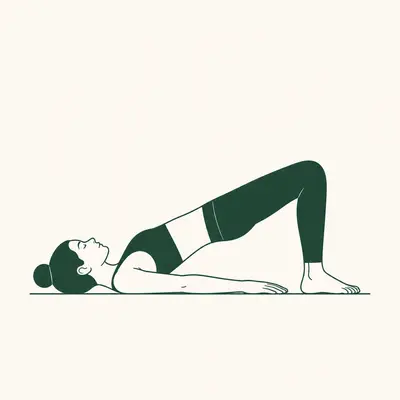 BeforeBridge Pose
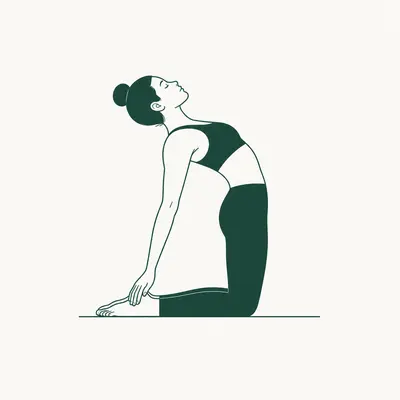 BeforeCamel Pose
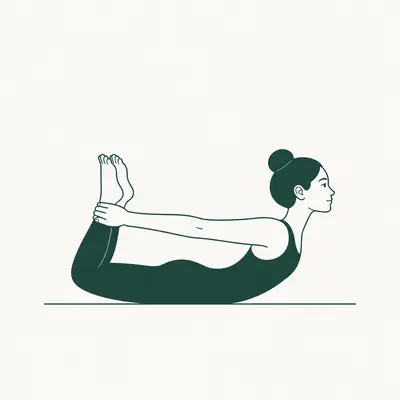 BeforeBow Pose
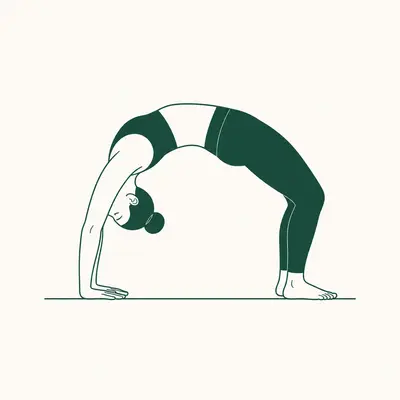 This poseWheel Pose
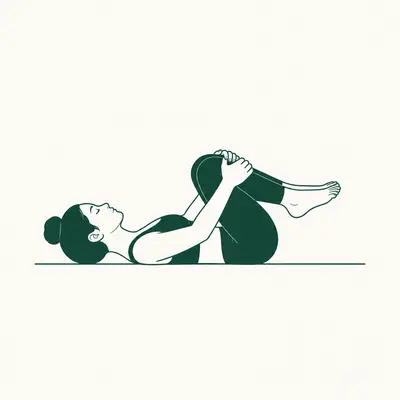 AfterKnees-to-Chest
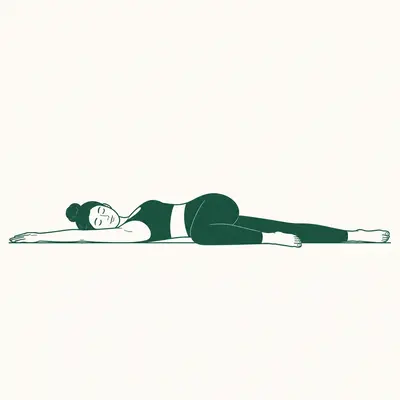 AfterReclined Twist
Good to know
Questions
Why can’t I straighten my arms in Wheel?
Usually tight shoulders and upper back rather than a stiff lower back. Keep working on shoulder openers and press up on blocks at a wall.
What should I practise before Wheel?
Bridge, Camel, Bow, Puppy Pose and Low Lunge, so the shoulders, chest and hips are ready.
How long should I hold Wheel Pose?
3 to 5 breaths, repeated once or twice with rest between.
Is Wheel Pose bad for your back?
It can strain the lower back if the knees splay or the shoulders are tight. Build up gradually, keep the knees in and stop if you feel pinching.
What does Urdhva Dhanurasana mean?
Upward bow: urdhva means upward and dhanu means bow. It is also called Wheel Pose (Chakrasana).
Urdhva means upward, dhanu bow; a key backbend in classical sequences.
What helps
Props that make this easier
- Non-slip yoga mat A 4–6 mm mat with good grip makes standing poses steadier. View on Amazon
- Cork yoga block Brings the floor closer in forward folds and supported poses. View on Amazon
- Cotton yoga strap Extends your reach in hamstring and shoulder stretches. View on Amazon
As an Amazon Associate, YogiSoul earns from qualifying purchases. Links open Amazon in your country’s store.
More backbend poses
All backbend poses
Cat–Cow
Marjaryasana–Bitilasana

Bridge Pose
Setu Bandha Sarvangasana

Cobra Pose
Bhujangasana