परिवृत्त पार्श्वकोणासन
Revolved Side Angle
Revolved Side Angle is a strong twist built on a lunge. Lowering the back knee makes it more accessible.

- Hold
- 3–5 breaths per side
- Level
- Intermediate
- Family
- Twist, standing
- Focus
- Twist with leg strength
- Works
- Legs
- Spine
- Shoulders
- You’ll need
- Blanket under back knee, Block
- Found in
- Hatha
- “Lengthen before twisting”
- “Elbow presses the knee”
Step by step
How to do Revolved Side Angle
StartBegin in High Lunge with the right foot forward.
- 1
From High Lunge, bring palms together at the heart.
- 2
Lengthen the spine.
- 3
Exhale and twist to the right, hooking the left elbow outside the right knee.
- 4
Keep the front knee over the ankle.
- 5
Press palms together to open the chest.
- 6
Gaze up or to the side.
- Out
Coming out. Untwist, return to lunge and switch sides.
Breath
Inhale to lengthen; exhale to twist.
Focus
Twist with leg strength
Why practise it
Strengthens legs; mobilises the spine.
Go deeper
Revolved Side Angle: what to know
Start with the knee down
Revolved Side Angle combines a lunge, a twist and a balance. Taking the back knee down onto a blanket removes the balance, so you can learn to twist from the ribs while the hips stay level. Once the twist feels steady, lift the back knee for the full version.
How to do Revolved Side Angle
- From Low Lunge with the right foot forward, bring the hands together at the chest
- Lengthen the spine as you breathe in
- Breathing out, twist to the right and hook the left elbow outside the right knee
- Keep the right knee over the ankle and press the palms together to open the chest
- Lift the back knee for the full pose, or stay with it down; for more reach, place the left hand on a block outside the right foot and the right arm up
- Hold for 3 to 5 breaths, untwist and switch sides
Common mistakes
- The front knee drifting sideways as the elbow presses against it
- Collapsing the chest and rounding the back to hook the elbow
- Twisting from the neck rather than the ribs
- A narrow stance that makes the pose wobble
Who should take care
Closed twists like this are usually avoided in pregnancy and with disc problems; an open twist or a gentler pose is a better choice. Keep the back knee down if balance or knee pain is an issue. Look down rather than up with a neck problem.
Alignment
Cues & common mistakes
Aim for Front knee stacked; spine long; back leg active.
Teacher’s cues
- “Lengthen before twisting”
- “Elbow presses the knee”
Watch out for
Collapsing the chest and front knee drifting.
Make it yours
Easier, harder, supported
Back knee down; hand on a block.
- Bottom hand down, top arm extended
- Blanket under back knee
- Block
In a sequence
Where it fits in a flow
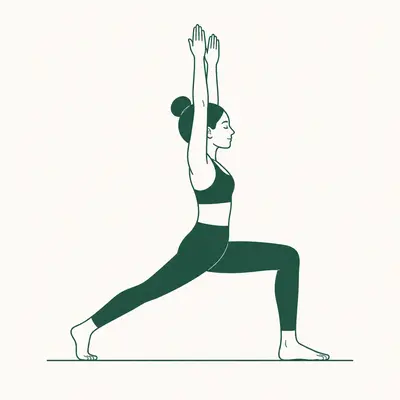 BeforeHigh Lunge
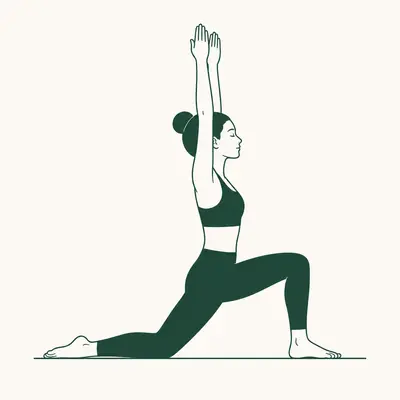 BeforeLow Lunge
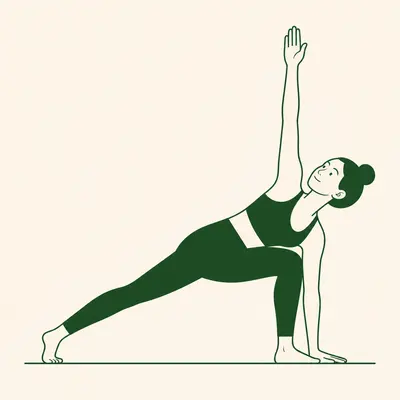 This poseRevolved Side Angle
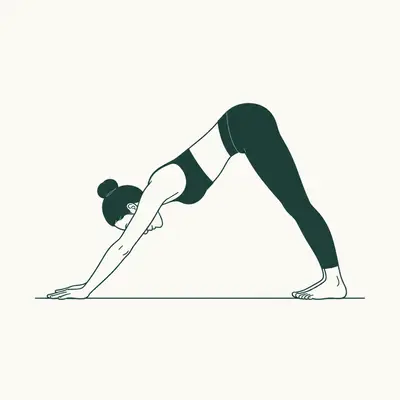 AfterDownward-Facing Dog
Good to know
Questions
What is Revolved Side Angle good for?
Strengthening the legs and mobilising the spine with a twist, while challenging balance.
Should my back knee be up or down?
Either. Knee down is steadier and lets you focus on the twist; knee up adds balance and leg work.
Why is Revolved Side Angle so hard?
It asks for hip flexibility, spinal rotation and balance at once. Start with the back knee down and a block.
How long should I hold Revolved Side Angle?
3 to 5 breaths per side.
Is Revolved Side Angle safe in pregnancy?
Closed twists are usually avoided in pregnancy. Ask a qualified prenatal teacher about open alternatives.
A revolved counterpart to Side Angle.
What helps
Props that make this easier
- Non-slip yoga mat A 4–6 mm mat with good grip makes standing poses steadier. View on Amazon
- Cork yoga block Brings the floor closer in forward folds and supported poses. View on Amazon
- Cotton yoga strap Extends your reach in hamstring and shoulder stretches. View on Amazon
As an Amazon Associate, YogiSoul earns from qualifying purchases. Links open Amazon in your country’s store.
More twist poses
All twist poses
Gentle Seated Twist
Ardha Matsyendrasana (gentle variation)

Reclined Twist
Supta Matsyendrasana

Revolved Triangle
Parivrtta Trikonasana