एक पाद राजकपोतासन
Pigeon Pose
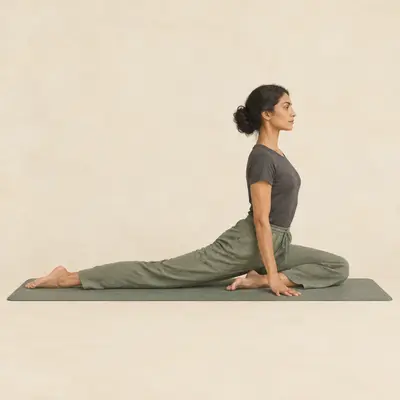
Pigeon Pose, often taught as half pigeon, is one of the best-known hip openers in yoga. The front leg stretches the outer hip and glutes while the back leg opens the front of the hip. Props make it far more comfortable, and a reclined figure-four stretch gives the same benefits with less load on the knee.

- Hold
- 5–10 breaths each side, or 1–3 minutes in a supported, Yin-style version
- Level
- Intermediate
- Family
- Hip opening, seated
- Focus
- Outer-hip and glute stretch with a hip-flexor opening
- Works
- Hips
- Glutes
- Hip flexors
- Lower back
- You’ll need
- Folded blanket or block under the front hip, Cushion or bolster under the chest for the forward fold
- Found in
- Hatha, Yin, Vinyasa
- “Support the hip, spare the knee”
- “Back leg straight behind you”
- “Soften on the exhale”
Step by step
How to do Pigeon Pose
StartStart on all fours in Tabletop, or in Downward-Facing Dog.
- 1
From Tabletop, bring your right knee forward behind your right wrist.
- 2
Angle the right shin across the mat so the right foot sits in front of the left hip. The more the foot tucks towards the hip, the gentler it is on the knee.
- 3
Slide the left leg straight back, with the top of the foot and the knee pointing down to the floor.
- 4
Lower the hips evenly. If the right hip does not reach the floor, slide a folded blanket or block under it so the pelvis stays level.
- 5
Press the fingertips into the floor beside the hips and lift the chest for a few breaths.
- 6
If it feels comfortable, walk the hands forward and rest the forearms, a block or a cushion under the chest. Stay, then repeat on the left side.
- Out
Coming out. Walk the hands back under the shoulders, tuck the back toes, and lift the hips back to Tabletop or Downward-Facing Dog before switching sides.
Breath
Breathe slowly into the belly and lower back. Let each exhale soften the front hip a little more, without forcing it down.
Focus
Outer-hip and glute stretch with a hip-flexor opening
Why practise it
Stretches the outer hip, glutes and piriformis area of the front leg and the hip flexors of the back leg. It is often used to ease the stiffness that comes from long periods of sitting, running or cycling.
Go deeper
Pigeon Pose: what to know
Protect the knee first
The front leg in Pigeon asks for a lot of outward rotation at the hip. If the hip cannot give it, the twist goes into the knee, which is the most common reason Pigeon hurts. Keep the front heel close to the opposite hip, flex the front foot, and put a block or folded blanket under the front hip so the pelvis is level and supported. A deep stretch in the outer hip or buttock is the aim; a sharp or pinching feeling in the knee is a signal to come out.
Upright, sleeping and reclined versions
- Upright Pigeon: hands under the shoulders, chest lifted; more of a stretch for the back-leg hip flexor
- Sleeping Pigeon: fold forward over the front shin, forearms or forehead resting on a block or bolster; more of an outer-hip stretch and a quieter, Yin-style hold
- Reclined Figure Four: on your back, right ankle over the left knee, drawing the legs in; the same outer-hip stretch with almost no load on the knee
- Full Pigeon (King Pigeon): an advanced back bend, reaching back for the back foot; not needed for the hip-opening benefits
How long to hold
In an active class, 5 to 10 breaths a side is typical. In Yin or restorative practice, a well-supported Sleeping Pigeon is often held for 1 to 3 minutes, or longer if it stays comfortable. Come out slowly, as the hip can feel stiff for a moment afterwards. Always do both sides; most people find one side noticeably tighter.
Pigeon and emotions
Pigeon has a reputation for bringing up emotion, and some people do feel unexpectedly tearful or restless in long hip holds. A quiet, sustained stretch with slow breathing can make you more aware of how you feel; there is no evidence that emotions are physically stored in the hips. If it feels like a lot, come out, breathe and rest in Child’s Pose.
Alignment
Cues & common mistakes
Aim for Keep the pelvis level and square to the front of the mat, supported on a prop if needed. The back leg extends straight behind the hip rather than angling out to the side.
Teacher’s cues
- “Support the hip, spare the knee”
- “Back leg straight behind you”
- “Soften on the exhale”
Watch out for
Letting the pelvis tip onto the front hip so all the weight falls on one side, forcing the front shin parallel to the front of the mat when the hips are not ready, and feeling the stretch in the knee instead of the hip.
Make it yours
Easier, harder, supported
Place a blanket or block under the front hip so the pelvis is level. Keep the front heel close to the opposite hip to reduce the load on the knee. If kneeling or the floor version is uncomfortable, practise Reclined Figure Four on your back: cross the right ankle over the left knee and draw the legs towards you. Standing Figure Four is another option.
- Upright Pigeon with the chest lifted
- Sleeping (forward-folded) Pigeon
- Reclined Figure Four (on the back)
- Full Eka Pada Rajakapotasana with a back bend, for advanced practitioners
- Folded blanket or block under the front hip
- Cushion or bolster under the chest for the forward fold
In a sequence
Where it fits in a flow
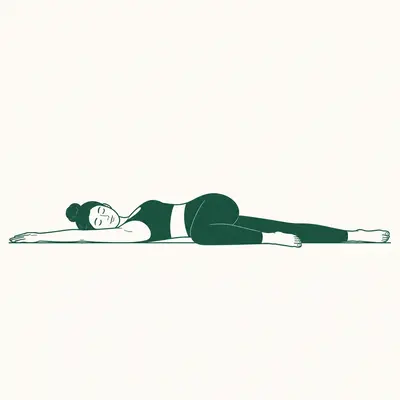
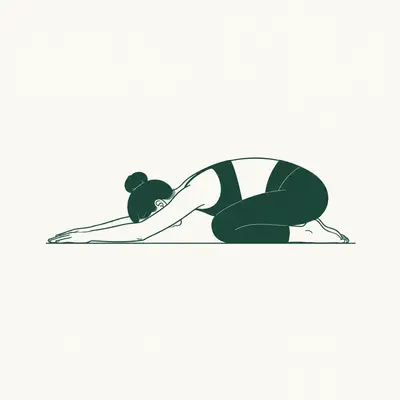
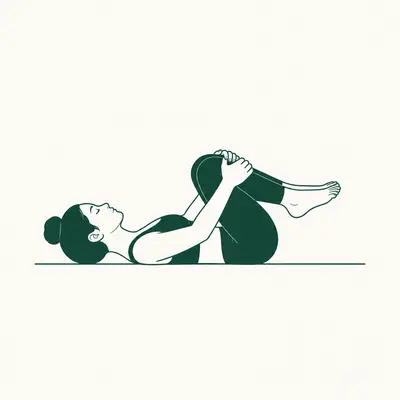
Good to know
Questions
Why does Pigeon Pose hurt my knee?
Usually because the hip cannot rotate enough yet, so the twist moves into the knee. Bring the front heel closer to the opposite hip, support the hip with a block, or practise Reclined Figure Four instead.
Should my front shin be parallel to the front of the mat?
Only if your hips are very open and your knee feels completely comfortable. For most people an angled shin with the heel near the opposite hip is safer.
How long should I hold Pigeon Pose?
5 to 10 breaths in an active class, or 1 to 3 minutes in a supported Yin-style version.
What does Pigeon Pose stretch?
The outer hip and glutes of the front leg, including the piriformis area, and the hip flexors at the front of the back leg.
Is Pigeon Pose good for sciatica?
Some people with tight glutes find a gentle outer-hip stretch helps, but sciatica has several causes and the pose can aggravate some of them. Get advice from a physiotherapist or doctor, and stop if pain travels down the leg.
Kapota means pigeon and raja means king. The full pose resembles the puffed-out chest of a pigeon; the hip-opening floor version taught in most modern classes is a preparation for it.
What helps
Props that make this easier
- Non-slip yoga mat A 4–6 mm mat with good grip makes standing poses steadier. View on Amazon
- Cork yoga block Brings the floor closer in forward folds and supported poses. View on Amazon
- Cotton yoga strap Extends your reach in hamstring and shoulder stretches. View on Amazon
As an Amazon Associate, YogiSoul earns from qualifying purchases. Links open Amazon in your country’s store.
More hip opening poses
All hip opening poses
Bound Angle Pose
Baddha Konasana

Low Lunge
Anjaneyasana

Garland Pose
Malasana