Skip to content
  1. Home
  2. Chakras
  3. Crown chakra

Chakra 7 of 7 · Sahasrara · “Thousand-petalled”

Crown chakra

Sahasrara: meaning, presence, connection to something larger.

  • Meaning
  • Presence
  • Connection to something larger

About Sahasrara

Sahasrara, the thousand-petalled lotus, is placed at or just above the crown of the head. In many teachings it is not counted as one of the six chakras but as their culmination, linked with presence, meaning and connection to something larger than yourself.

In balance and out of balance

When this theme feels open, people often describe a sense of meaning, presence and peace. When it feels distant, life may seem disconnected or purposeless, even if everything else is going well.

Yoga for the crown chakra

Meditation, stillness and rest are the main practices here. Finish each practice with a long Savasana.

Headstand

Salamba Sirsasana

AdvancedInversion

A short crown chakra sequence

Practise the poses in this order for about 10 minutes. Move slowly, breathe through the nose and skip anything that does not feel right today.

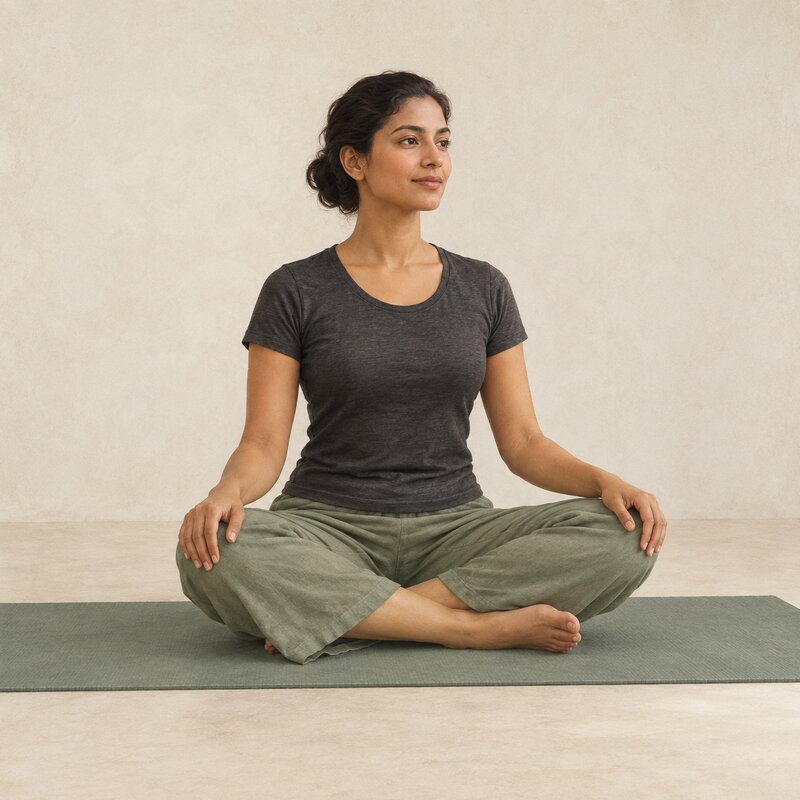
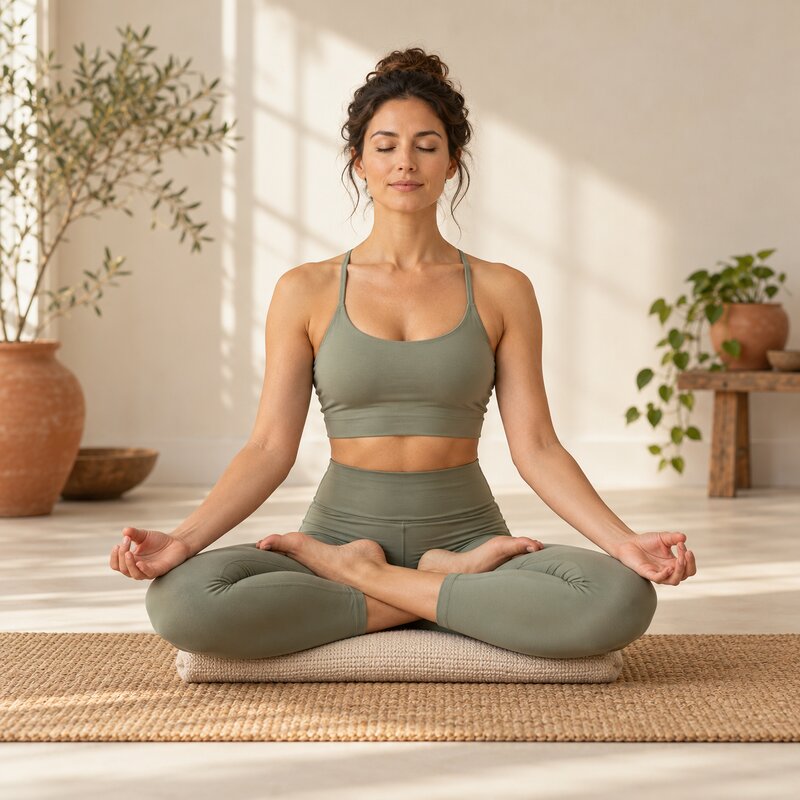
  1. Easy Seat · 1 minute
    Sit tall as if a thread gently lifts the crown of the head.
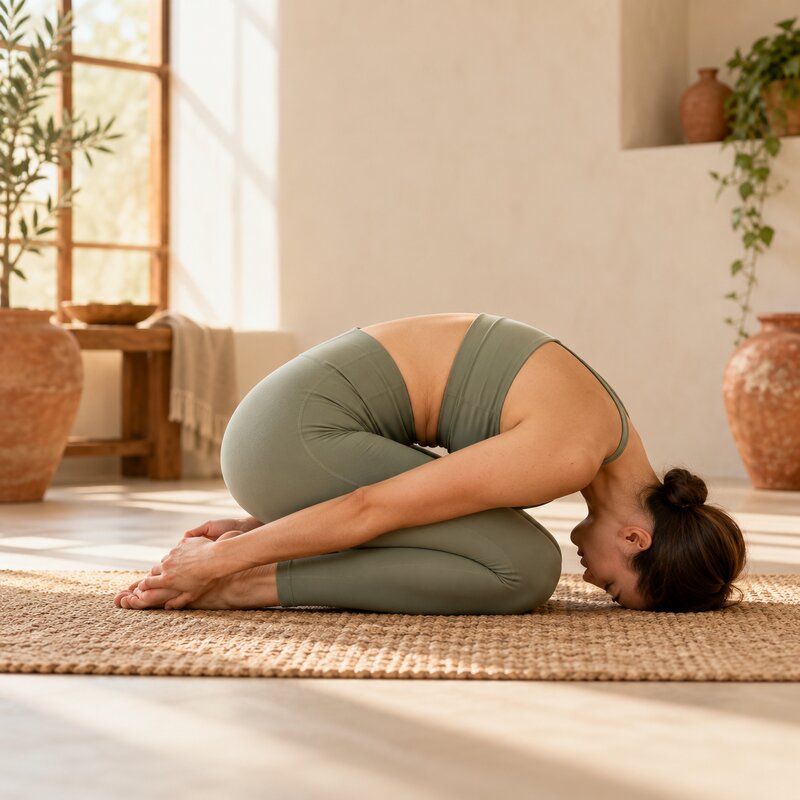
  2. Rabbit Pose · 3–5 breaths
    Brings attention to the top of the head. Keep the weight light and skip it if you have neck problems.
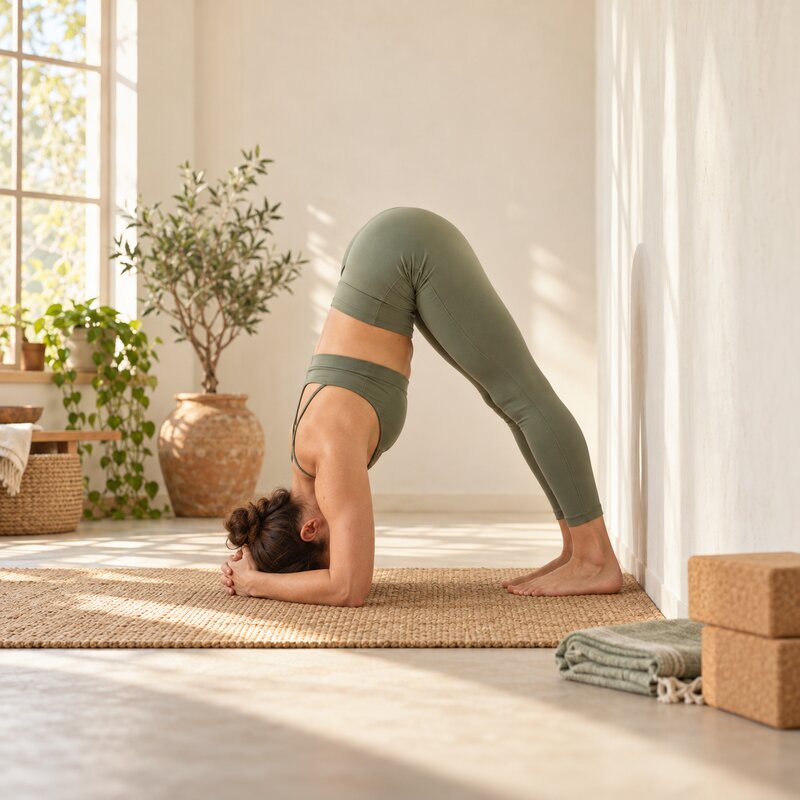
  3. Headstand · Up to 1 minute
    Only if you already practise it safely. Otherwise, practise Dolphin Pose or stay in Legs Up the Wall.
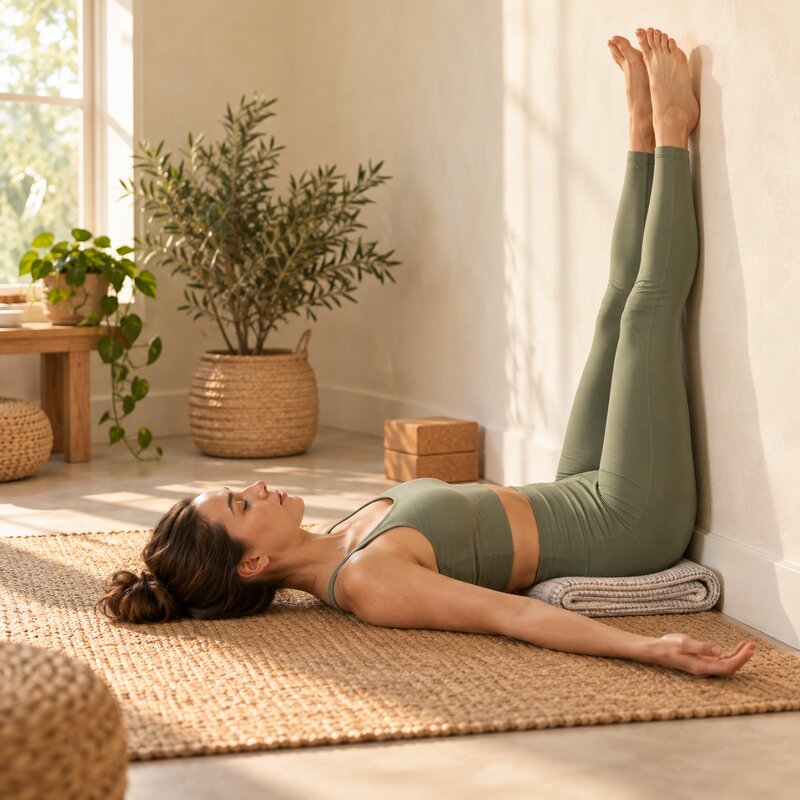
  4. Legs Up the Wall · 2–3 minutes
    A quiet, restful inversion and a good alternative to Headstand.
  5. Lotus Pose · 1–2 minutes
    A traditional meditation seat. Half Lotus or Easy Seat are just as good if the knees complain.
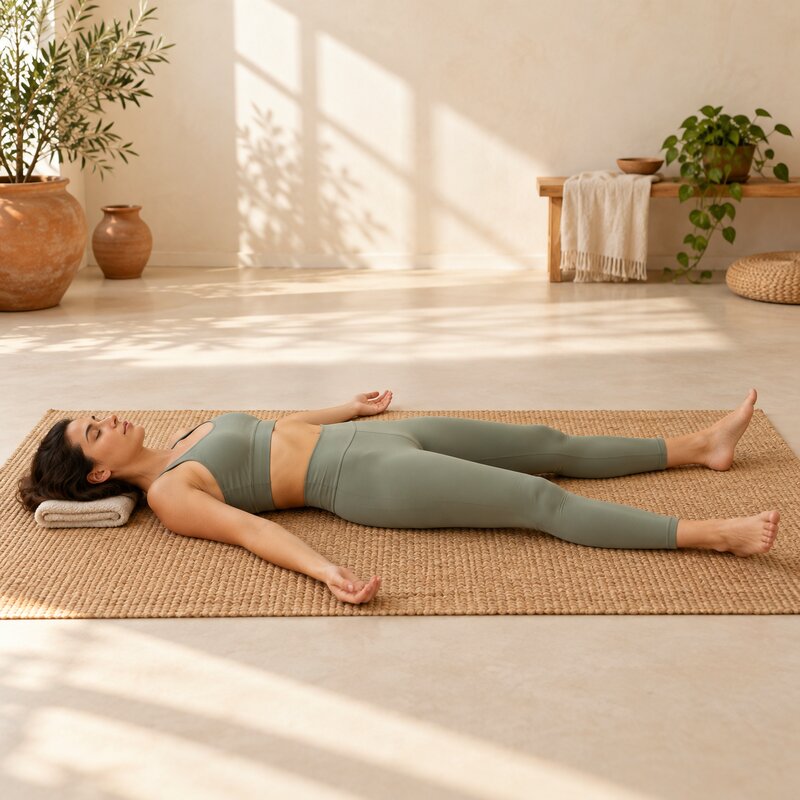
  6. Corpse Pose · 5 minutes
    Let the whole body be still. This is where the practice settles in.

A 5-minute crown chakra meditation

Use this after the sequence or on its own. Set a gentle timer for five minutes, or use the meditation timer.

  1. Sit or lie down in a position you can hold without effort.
  2. Bring your attention to the crown of the head, then let it widen to include the whole body at once.
  3. Let the breath move on its own, without guiding it.
  4. Chant OM slowly three times, then let the sound fade into silence. Sahasrara is traditionally beyond sound.
  5. Rest in the silence for a few minutes, simply aware. When you are ready, deepen the breath and gently move your fingers and toes.

Breath

Breath awareness

Open the breathing guide

Meditation

Yoga nidra

Open the meditation

Mantra

Sahasrara is traditionally beyond sound, so practice here is often simple silence after chanting the other bija mantras in turn.

Questions to sit with

Start here

What gives my life a sense of meaning?

  • When do I feel most present?
  • What am I part of that is larger than me?

esc