अर्ध पिञ्च मयूरासन
Dolphin Pose
Dolphin is a wrist-free alternative to Down Dog and key preparation for forearm balances.

- Hold
- 5–8 breaths
- Level
- Intermediate
- Family
- Forward fold, inversion
- Focus
- Shoulder strength
- Works
- Shoulders
- Upper back
- Hamstrings
- You’ll need
- Block between hands
- Found in
- Hatha
- “Press the forearms”
- “Lift the shoulders”
Step by step
How to do Dolphin Pose
StartBegin in Tabletop.
- 1
Lower onto the forearms, elbows under shoulders.
- 2
Clasp the hands or keep forearms parallel.
- 3
Tuck the toes and lift the hips.
- 4
Walk the feet in slightly.
- 5
Press the forearms down and lift away from the floor.
- Out
Coming out. Lower the knees and rest in Child's Pose.
Breath
Steady breathing.
Focus
Shoulder strength
Why practise it
Builds strength in the shoulders, upper back and core, stretches the hamstrings, calves and upper back, and keeps the weight off the wrists. It is the main preparation for Headstand and Forearm Stand.
Go deeper
Dolphin Pose: what to know
How to do Dolphin Pose
- Start on hands and knees, then lower the forearms with the elbows under the shoulders
- Keep the forearms parallel, or clasp the hands, and press the forearms down
- Tuck the toes and lift the hips, as in Downward Dog
- Bend the knees as much as needed to lengthen the spine
- Lift the shoulders away from the ears and let the head hang between the upper arms
- Hold for 5 to 8 breaths, then lower the knees and rest in Child’s Pose
Keep the elbows in
The elbows tend to slide out wider than the shoulders. If they do, loop a strap around the arms just above the elbows, set to shoulder width, or place a block between the hands. Pressing firmly into the forearms and lifting the shoulders up is what builds the strength the pose is used for.
Dolphin vs Downward Dog
Both make the same inverted V shape. Dolphin is on the forearms, so the wrists are free and the shoulders work harder because they are closer to the floor. Many people find it more difficult than Downward Dog, and it is a good alternative when the wrists are sore.
Building strength and safety
- Dolphin push-ups: move from Dolphin forward into Forearm Plank and back, 5 to 10 times
- Walk the feet in a little at a time to bring the hips over the shoulders
- Lift one leg at a time as a step towards Forearm Stand
- Avoid or limit with a shoulder injury, glaucoma or uncontrolled high blood pressure
Alignment
Cues & common mistakes
Aim for Elbows shoulder-width; spine long.
Teacher’s cues
- “Press the forearms”
- “Lift the shoulders”
Watch out for
Elbows sliding out; collapsing into the shoulders.
Make it yours
Easier, harder, supported
Bend the knees.
- Dolphin push-ups
- Block between hands
In a sequence
Where it fits in a flow
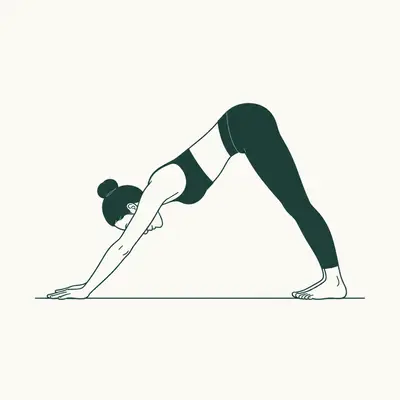 BeforeDownward-Facing Dog
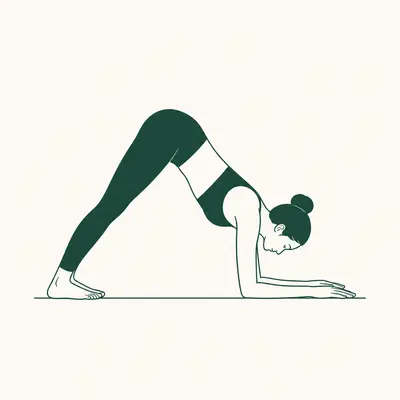 This poseDolphin Pose
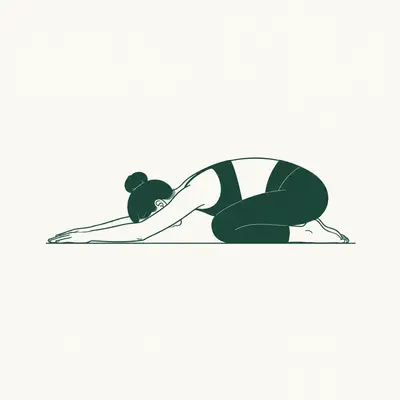 AfterChild’s Pose
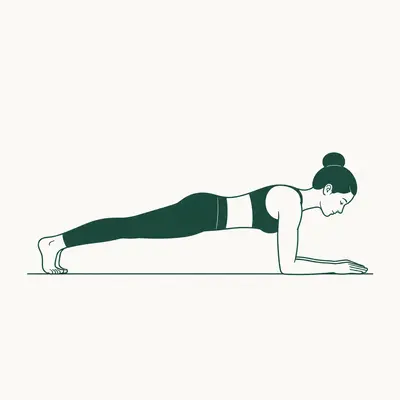 AfterForearm Plank
Good to know
Questions
What is Dolphin Pose good for?
Strengthening the shoulders and core, stretching the hamstrings and upper back, and preparing for Headstand and Forearm Stand.
Is Dolphin harder than Downward Dog?
For most people, yes, especially for the shoulders. It is easier on the wrists.
How long should I hold Dolphin Pose?
5 to 8 breaths, building to a minute as your shoulders get stronger.
Why do my elbows slide out in Dolphin?
The shoulders are still building strength. Use a strap above the elbows or a block between the hands.
Can I do Dolphin with tight hamstrings?
Yes. Bend the knees generously so the back can stay long.
Preparation for Pincha Mayurasana (Forearm Stand).
What helps
Props that make this easier
- Non-slip yoga mat A 4–6 mm mat with good grip makes standing poses steadier. View on Amazon
- Cork yoga block Brings the floor closer in forward folds and supported poses. View on Amazon
- Cotton yoga strap Extends your reach in hamstring and shoulder stretches. View on Amazon
As an Amazon Associate, YogiSoul earns from qualifying purchases. Links open Amazon in your country’s store.
More forward fold poses
All forward fold poses
Child’s Pose
Balasana

Downward-Facing Dog
Adho Mukha Svanasana

Standing Forward Fold
Uttanasana