अर्ध पद्मासन
Half Lotus
Half Lotus requires open hips. The knee should never feel strained — the rotation must come from the hip.

- Hold
- 1–10 minutes
- Level
- Intermediate
- Family
- Seated, seated
- Focus
- Hip rotation for meditation
- Works
- Hips
- Knees
- Ankles
- You’ll need
- Cushion, Block under knee
- Found in
- Hatha
- “Rotate from the hip”
- “No pain in the knee”
Step by step
How to do Half Lotus
StartSit in Easy Seat on a cushion.
- 1
Sit on a cushion with legs crossed.
- 2
Cradle the right shin and rotate the leg outward from the hip.
- 3
Place the right foot on top of the left thigh near the hip crease.
- 4
Keep the left foot under the right knee.
- 5
Sit tall; support the knee with a block if it lifts.
- Out
Coming out. Lift the foot carefully off the thigh with your hands; switch sides.
Breath
Calm, steady breathing.
Focus
Hip rotation for meditation
Why practise it
A stable meditation seat for those with open hips.
Go deeper
Half Lotus: what to know
A hip pose that the knee pays for if rushed
Half Lotus places one foot on the opposite thigh while the other leg rests beneath. It looks like a knee position, but the movement has to come from outward rotation at the hip. The knee is a hinge with little ability to rotate when it is bent, so if the hip is not ready, the twist travels to the knee. Any sharp feeling in or around the knee means the pose is not right for you today, however flexible you feel elsewhere.
How to do Half Lotus
- Sit on a folded blanket or cushion so the hips are higher than the knees
- Bend the right knee and hold the shin with both hands, rotating the whole leg outward from the hip
- Keep the knee fully bent as you lift the foot, so the calf and thigh stay close together
- Rest the top of the right foot high on the left thigh, near the hip crease
- Let the left leg rest under the right knee, or keep it extended if that is easier
- Sit tall, stay for a few breaths, then lift the foot off with your hands and change sides
Preparing the hips
- Butterfly Pose: shows how much the thighs can rotate outward
- Standing or reclined Figure Four: stretches the outer hip that often limits this pose
- Pigeon Pose: a stronger outer-hip opener, if it is comfortable for your knee
- Easy Seat on a cushion: a good place to stay until the hips open, with nothing lost in meditation
Half Lotus vs Lotus vs Easy Seat
- Easy Seat (Sukhasana): shins crossed, feet under the opposite knees, suitable for most people
- Half Lotus (Ardha Padmasana): one foot on the opposite thigh, the other leg underneath
- Lotus (Padmasana): both feet on the opposite thighs, which asks for the most hip rotation
Who should take care
Skip Half Lotus with a knee injury, meniscus problem, or recent knee or hip surgery, and stay in Easy Seat instead. If the top knee floats high, place a block or cushion under it and sit higher. Change the leg on top from one session to the next so that one hip does not always do the same work, and come out if the foot or leg goes numb.
Alignment
Cues & common mistakes
Aim for Rotation from the hip; knee pain-free.
Teacher’s cues
- “Rotate from the hip”
- “No pain in the knee”
Watch out for
Pulling the foot up by forcing the knee.
Make it yours
Easier, harder, supported
Stay in Easy Seat.
- Full Lotus
- Cushion
- Block under knee
In a sequence
Where it fits in a flow
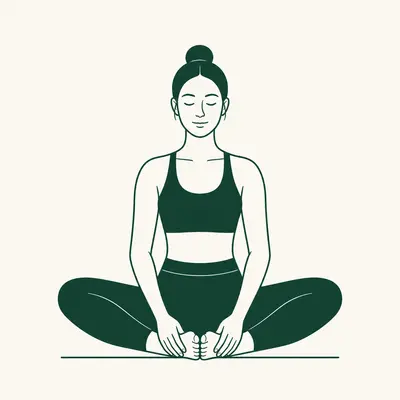 BeforeBound Angle Pose
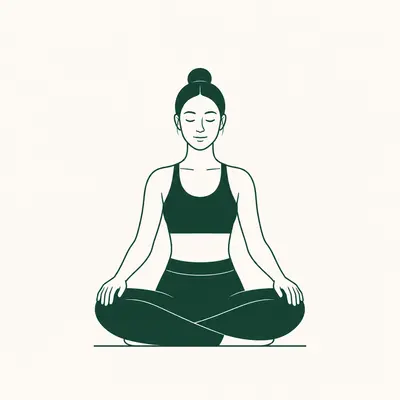 BeforeEasy Seat
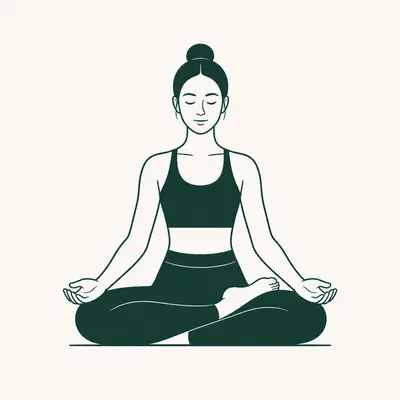 This poseHalf Lotus
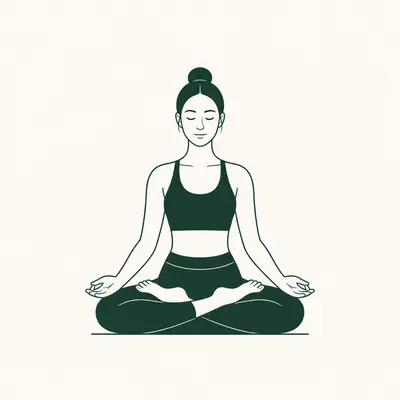 AfterLotus Pose
Good to know
Questions
How do I know if I'm ready for Half Lotus?
If your knees drop comfortably in Butterfly and Figure Four feels easy, your hips are more likely to be ready. Knee pain at any point means you are not ready yet.
Why does Half Lotus hurt my knee?
Usually the hip is not rotating enough, so the knee twists to make up for it. Come out, sit higher, and return to hip openers or Easy Seat.
What is the difference between Half Lotus and Lotus?
In Half Lotus one foot rests on the opposite thigh. In Lotus both feet do, which asks for more rotation at both hips.
How long should I sit in Half Lotus?
Start with a minute or two per side and build up slowly. Spend equal time on each side.
Do I need Half Lotus to meditate?
No. A steady, comfortable seat is what matters. Easy Seat, kneeling or a chair all work well.
Preparation for Padmasana, the classic meditation seat.
What helps
Props that make this easier
- Non-slip yoga mat A 4–6 mm mat with good grip makes standing poses steadier. View on Amazon
- Cork yoga block Brings the floor closer in forward folds and supported poses. View on Amazon
- Cotton yoga strap Extends your reach in hamstring and shoulder stretches. View on Amazon
As an Amazon Associate, YogiSoul earns from qualifying purchases. Links open Amazon in your country’s store.


