- Home
- Teacher training
- 200 hours
Your first teacher training
200-hour yoga teacher training
Learn how to build a class, guide a practice and support different students. Find out what a first teacher training covers and how to choose a school.
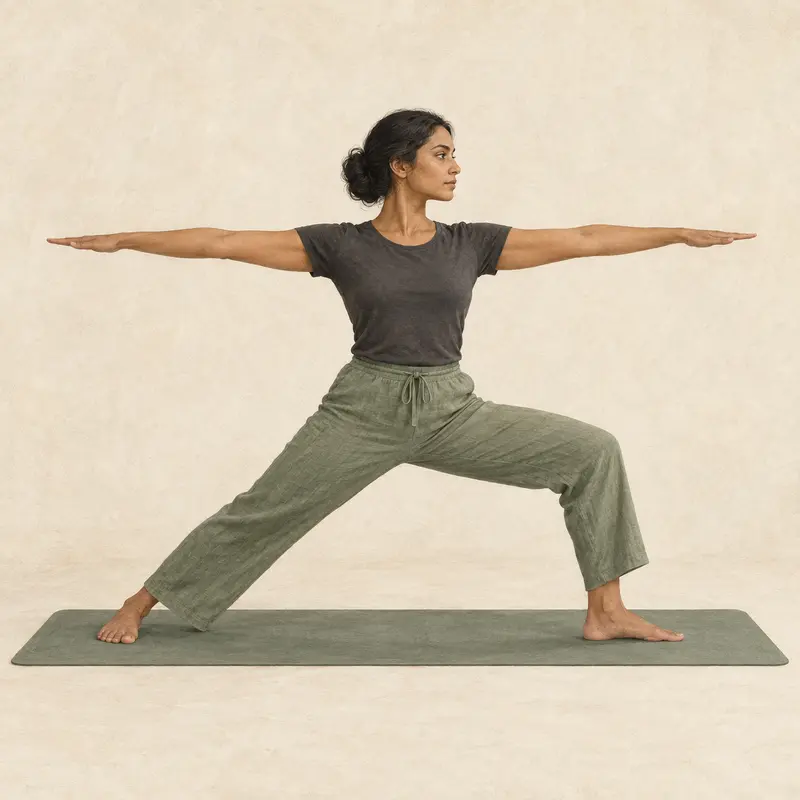
Learn the foundations of planning and teaching a class.
- Course level
- Foundation training
- Before joining
- Check the experience you need
- Look for
- Practice teaching with feedback
The starting point
What does the course cover?
A 200-hour course introduces the foundations of practising and teaching yoga. The hours describe the training time. They do not tell you how many weeks a course lasts or how confident you will feel afterwards.
Yoga Alliance’s Registered Yoga School 200 (RYS 200) standards cover practice, anatomy, yoga history and philosophy, and teaching skills. Schools can meet these standards while teaching in different ways. Read the full course outline.
How much experience do you need?
Each school sets its own entry requirements. Some welcome beginners; others expect a regular practice. Find out what a typical day involves and whether that feels manageable for you.
You do not need to choose a course based on your ability to perform difficult poses. Think about what you want to learn. If you hope to teach, look for plenty of supported teaching practice.
Inside the training
What you’ll learn.
Use these themes to look closely at a school’s syllabus.
Practice with understanding
Asana, breathwork and meditation, with attention to how you explain and adapt them.
Understand the body
Anatomy, movement and practical choices for different bodies.
Explore the tradition
Explore yoga’s history, philosophy and ethics.
Find your teaching voice
Plan a class, explain poses and practise teaching with feedback.
Read more about what you’ll learn
You should have a chance to connect practice with teaching. For example, when you learn a pose, do you also learn how to explain it and offer alternatives? Check how you practise guiding breathwork and meditation.
Anatomy should help you understand movement and different bodies. Philosophy needs time for discussion and context. Both subjects should connect to the decisions you make in a class.
Look closely at practice teaching. Will you lead short sections or a full class? Who watches and gives feedback? Find out how the school assesses your work and helps you if you need more time.
Plan your study
Time, format and fees.
Check the timetable, full costs and help available from teachers.
Questions to ask a school ↓In person, at weekends or online?
A residential course lets you stay at the school while you study. Check the daily timetable, room arrangements, meals and rest time before booking.
A weekend course spreads study over a longer period, leaving time to practise between meetings. Online or mixed-format courses may fit around work. For each option, check how teachers observe your practice and give feedback.
What is included in the price?
Compare the full cost. Check tuition, manuals, assessments, meals and accommodation. Budget separately for travel and any visa you need. Professional registration may also involve fees.
Read the deposit, refund and postponement terms. Ask what happens if the school cancels, a trainer changes or you need to finish later. Get the answers in writing.
How can you prepare?
Keep a steady practice that fits your life. Try classes with different teachers and notice which explanations help you. Write down the questions you want to bring to training.
You do not need to study everything before you arrive. Use our pose library to revisit familiar movements, and explore meditation at your own pace. Leave room to learn with your teachers.
Your training and certificate
What does the certificate mean?
Graduating from a school and registering with Yoga Alliance are separate steps. Its Registered Yoga Teacher 200 (RYT 200) route requires an eligible 200-hour training and an application. Several shorter courses cannot simply be combined to meet that training requirement.
If you plan to teach, ask local studios what they expect from new teachers. Check the rules and insurance for the work you want to do. A certificate does not guarantee a job or prepare you for every teaching setting.
Build your starting point.
Develop depth in your teaching.
Teacher registration has separate requirements.
Before you book
Questions to ask a school.
Use these questions when you speak to the course team.
How much practice teaching is included?
How much yoga experience do I need?
Who teaches each subject, and how big is the group?
How do you decide whether I am ready to graduate?
How can you support my access or practice needs?
What does the fee include, and what are the cancellation terms?
Common questions
What else would you like to know?
Here are a few things to check before joining.
Can I join without planning to teach?
Yes, if the school welcomes that aim. You may still need to complete lesson planning, assessments and practice teaching. Read the course requirements first.
Is every 200-hour course registered with Yoga Alliance?
No. If registration matters to you, check both the school and the specific programme directly with Yoga Alliance.
Should I start with 200 or 300 hours?
A 200-hour course is foundation training. Advanced 300-hour study builds on that background. Check the school’s entry requirements before applying.
Can I teach as soon as I graduate?
Check what your course prepares you to teach and what your intended employer and insurer require. Teaching practice and feedback remain useful after graduation.
Find a school
Find a place to learn.
Read about yoga schools and contact the course team to discuss your experience and questions.
Explore yoga schools ↗Further reading
Check current requirements with the provider or relevant organisation before applying.